
How to Identify High-Quality Linen Fabric: A Buyer’s Guide

Linen has become one of the most sought-after fabrics in modern fashion and home décor. Its natural texture, durability, and timeless elegance make it a favourite among designers, homeowners, and artisans. But with so many varieties of linen available in the market, identifying true high-quality linen can be challenging — especially when blends and low-grade fabrics look similar at first glance.
This buyer’s guide will help you confidently choose the best linen fabric by understanding the key quality indicators trusted by textile experts and professional interior stylists.
1. Check the Fibre Content: Pure Linen vs Blended Linen
High-quality linen fabric is made from 100% flax fibres. Many low-cost options in the market include blends like:
-
Linen + Cotton
-
Linen + Rayon
-
Linen + Polyester
While blends may be cheaper, they lack the breathability, durability, and crisp texture of pure linen.
How to check:
-
Look for fabric labels mentioning 100% linen or “Pure Flax Linen.”
-
Feel the fabric — pure linen has a natural crispness, not a synthetic smoothness.
-
Pure linen will wrinkle naturally (a sign of authenticity).
2. Examine the Weave Quality
The weave determines the strength and appearance of linen. High-quality linen features:
-
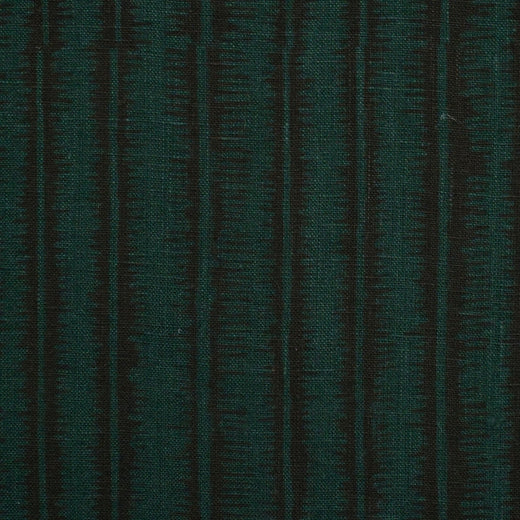
Tight, consistent weave
-
Very few slubs (tiny knots)
-
Smooth appearance without loose threads
While slubs are normal in natural linen, excessive unevenness can indicate poor spinning.
Best types of weaves:
-
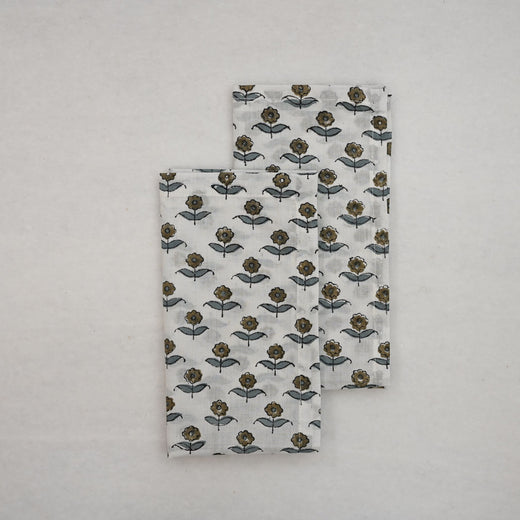
Plain weave — ideal for shirts, dresses, kitchen linens
-
Twill weave — stronger, great for upholstery
-
Damask weave — luxurious, used for table linen
3. Feel the Texture
High-quality linen will feel:
-
Smooth yet textured
-
Crisp but soft
-
Cool to the touch
Pure linen softens with every wash without losing strength. Poor-quality linen feels rough, stiff, or plasticky.
Expert tip:
Rub the linen lightly between your fingers. Good-quality linen will not shed fibres or feel scratchy.
4. Check the GSM (Grams Per Square Metre)
GSM indicates the weight and thickness of the fabric. High-quality linen varies depending on use:
-
100–150 GSM → Shirts, dresses, scarves
-
150–200 GSM → Table linens, cushion covers
-
200–300 GSM → Upholstery, heavy drapery
Low-quality linen often has extremely low GSM, making it thin, transparent, and less durable.
5. Look at the Colour and Dye Quality
Premium linen holds dye beautifully due to its natural fibres. You can identify good dye quality by checking:
-
Evenness of colour
-
No patchy or faded areas
-
Colour doesn’t rub off on hands
-
Print stays crisp
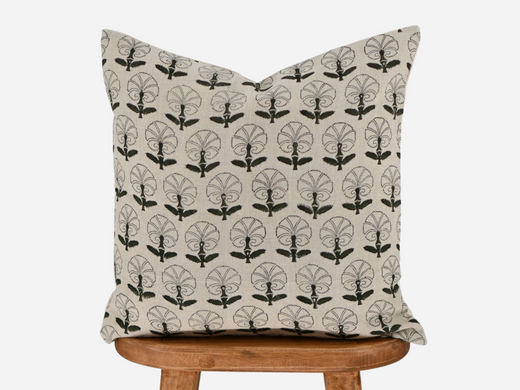
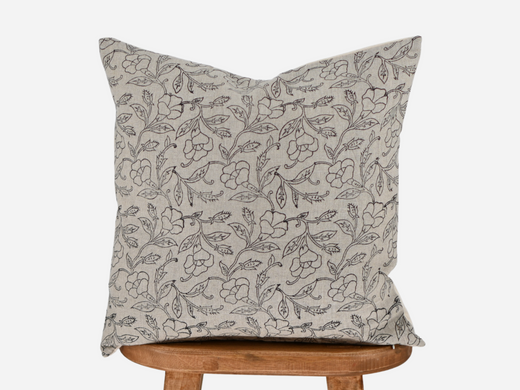
For printed linen (especially hand-block), designs should be sharp, aligned, and consistent.
6. Test for Breathability
A well-made linen fabric will always feel breathable, allowing air to pass through easily. To test:
-
Hold the fabric up to light — it should allow soft diffusion, not complete transparency.
-
Press it against your skin — it should feel cool immediately.
Synthetic blends trap heat and feel warm.
7. Check the Wrinkle Pattern
Pure linen wrinkles naturally — this is a sign of authenticity, not poor quality.
High-quality linen wrinkles evenly across the surface, not in stiff, sharp creases. Blended linen often looks limp or overly smooth.
8. Look at the Stitching and Finish
Fine linen products come with well-made finishes:
-
Strong hems
-
Tight stitching
-
Clean edges
-
High-quality thread
If the finish looks uneven or delicate, the fabric quality may not be premium.
9. Consider the Source and Craftsmanship
Good linen is usually made from flax grown in regions known for quality:
-
Belgium
-
France
-
Eastern Europe
-
India (Rajasthan for hand-block printing)
Artisan-made linen, especially hand-block printed pieces, offers unmatched craftsmanship, precision, and character — making every fabric unique and valuable.
10. Trust Reputable Linen Brands
Quality linen requires craftsmanship, ethical sourcing, and expert finishing. Buying from trusted brands ensures:
-
Authentic fabric
-
Consistent quality
-
Transparent sourcing
-
Long-lasting value
Avoid unknown or suspiciously cheap sellers claiming “premium linen” without proof.
Final Thoughts
High-quality linen is an investment — one that lasts longer, ages beautifully, and enhances both your home and wardrobe. By checking factors like weave, GSM, texture, purity, and craftsmanship, you can confidently choose linen that truly reflects luxury and durability.
Looking for Authentic, Handcrafted Linen?
At Rohiyaan, every linen fabric is thoughtfully sourced, expertly crafted, and beautifully hand-printed by skilled artisans.
If you want premium-quality linen that blends tradition, sustainability, and modern aesthetics:
👉 Explore Rohiyaan’s Linen Collection Today
Experience linen that looks elegant, feels luxurious, and lasts for years.